|
Kenneth Davis
.jpg) .jpg)
T H O U G H T F O R C O N S I D E R A T I O N
TODAYS WORD - CHARITABLE
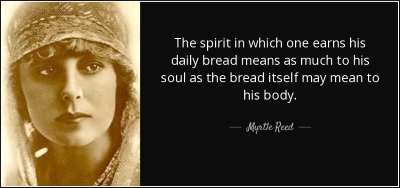
Those who have been made great have first suffered. The things that are ours cannot be given away, or taken away, or lost. We break our hearts, all of us, trying to keep things that do not belong to us — and to which we have no right. Penetrate deeply in the secret existence of anyone about you, even of the man or woman whom you count happiest, and you will come upon things they spend all their efforts to hide. Fair as the exterior may be, if you go in, you will find bare places, heaps of rubbish that can never be taken away, cold hearths, desolate altars, and windows veiled with cobwebs.
All we can do in this world is the thing that seems to us the best. We have no concern with the results, except as a guide for the future, and sometimes, years afterward, we see that what seemed like a bitter loss was, in reality, gain. There is only one path which leads to the house of forgiveness - that of understanding. Heartaches are forgotten, tears lose their bitterness, and like a leaf of lavender in a store of linen, so does memory make life sweet. One of the most interesting things in the world to me is the vast difference between what people say they are going to do, and what they actually do. Silence and reserve will give anyone a reputation for wisdom.
It seems to take a lifetime for us to learn that wisdom consists largely in a graceful acceptance of things that do not immediately concern us. Money may not be your best friend, but it's the quickest to act, and seems to be favorably recognized in more places than most friends are. If we all tried to make other people's paths easy, our own feet would have a smooth even place to walk on. Lots of people think they're charitable if they give away their old clothes and things they don't want. The only way to win happiness is to give it. The more we give, the more we have. The body grows by food and work, the mind by use, and the soul through joy and pain. There is always one way to make anybody do anything - the trouble is to find it.
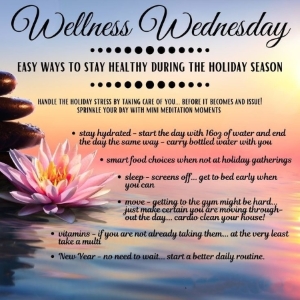
WELLNESS WEDNESDAY
Will you live to 100?
The answer is in your blood...
Story by Polly Dunbar
https://www.telegraph.co.uk/us/
The search for the secrets to a long, healthy life is as old as mankind. A new study has found a series of clues, which take us closer than ever before – and they lie in our blood. In mid-October, a Swedish-led team of researchers reported on their study of blood samples taken from 44,000 people from the age of 64 over a period of up to 35 years. They compared 12 “biomarkers” in the blood of those who went on to live past the age of 100, and those who did not. These markers included cholesterol and blood sugar, the markers of metabolism; uric acid, a marker of inflammation; creatinine, a measure of kidney function; iron, which is linked to anemia; and enzymes associated with liver function.
The research revealed that the chances of becoming a centenarian are linked to 10 of the 12 biomarkers, and three in particular. “Those who made it to their 100th birthday tended to have lower levels of glucose, creatinine and uric acid from their 60s onwards,’ says co-author Dr Karin Modig, associate professor of epidemiology at Sweden’s Karolinska Institute. “But although we are genetically predisposed to having higher or lower levels, most of these markers are closely linked with our lifestyle.”
In other words, there are things we can do day-to-day which can help us to stay healthy and live longer. Here are a few…
1. Get your cholesterol balance right
One of the study’s main findings seems to fly in the face of received medical advice. The research revealed that the people with the lowest levels of total cholesterol had a lower chance of reaching 100 years, compared to those with higher levels. “Low-density lipoprotein (LDL) – the “bad” cholesterol – can build up in the walls of your arteries, which, if left untreated, can cause strokes or heart attacks,” explains says Dr Gaurav Sabharwal, founder of One5 Health, which specializes in preventative healthcare and longevity. “But high-density lipoprotein – (HDL, the “good” cholesterol – protects the heart by removing the LDL cholesterol and transporting it back to the liver, where it is removed from the body. This means HDL levels should be high to reduce the risk of coronary heart disease. However, elevated total cholesterol levels – the good plus the bad – are also a major risk factor.” This is because the bad outweighs the good.
The new research is among several recent studies suggesting that the link between high total cholesterol and cardiovascular disease disappears in older people, but these remain highly controversial. According to the British Heart Foundation’s Professor Jeremy Pearson: ‘The evidence from large clinical trials demonstrates very clearly that lowering LDL cholesterol reduces our risk of death overall and from heart attacks and strokes, regardless of age.’
What to do:
The British Heart Foundation advises eating less saturated fat in foods such as processed meat, pies and pastry, butter, cream and coconut oil. Instead, opt for foods that are high in unsaturated fat such as olive oil, nuts, avocado and oily fish. A high-fiber diet of fruit, vegetables, wholegrains and pulses can also lower cholesterol, as can regular exercise and cutting down on drinking. Smoking increases “bad” cholesterol and lowers “good” cholesterol, so quitting is essential.
2. Tackle your blood sugar
The research shows an association with lower levels of glucose in our 60s and a stronger likelihood of living to 100. “Very few of the centenarians had a glucose level above 6.5 earlier in life,” says Dr Modig. An A1C test measures the average amount of sugar in the blood over the past few months and expresses it as a percentage: of the hemoglobin proteins which are holding glucose, 5.7 per cent to 6.4 per cent signals pre-diabetes, while 6.5 per cent or higher usually indicates diabetes. People living with diabetes have a higher risk of heart attacks and strokes and damage to the blood vessels affecting the nerves, eyes and kidneys.
What to do:
“Type 2 diabetes is preventable for a significant majority of people,” says Dr Paul McArdle, a dietician and diabetes specialist. “It’s thought that 60-90 per cent of Type 2 diabetes is linked to excess body weight, so keeping a healthy weight has been found to maintain lower blood glucose levels.” Dr McArdle recommends a minimally processed diet and, in particular, avoiding sources of highly refined carbohydrates such as sugars, which cause blood sugar spikes.
3. Drop your uric acid
Uric acid is associated with gout, the painful joint condition, but it’s also a surrogate marker for your metabolic health in general. “We often see raised uric acid levels in people with diabetes, pre-diabetes, insulin resistance and weight-related conditions such as hyperthyroidism and obesity,” says Dr Sabharwal. It’s unsurprising, then, that people in the study with the lowest uric acid had a four per cent chance of reaching 100, while only 1.5 per cent of those with the highest levels became centenarians.
What to do:
Foods containing purine, including red wine, cheese, red meat, shellfish, bacon and organ meats such as liver can elevate uric acid. A low purine diet, combined with drinking two to two-and-a-half liters of water per day can reduce our levels. “Losing weight and, in particular, dropping body fat mass can also reduce the uric acid in your blood,” says Dr Sabharwal.
4. Get to grips with creatinine
“One of the strongest correlations to living to 100 was levels of creatinine, which many people have not heard of,” says Dr Modig. “Very few of the centenarians had a creatinine level above 125.” What does this mean? Creatinine is a waste product of creatine, a chemical made by the body which supplies energy to muscles. Creatinine is removed from the body by the kidneys, so testing our levels can ascertain how well the kidneys are working. The albumin/creatinine ratio was used in the study, showing the number of milligrams of albumin (a protein in blood) for every gram of creatinine. For men, less than 17mg/g is deemed healthy, and for women, it’s less than 25mg/g.
What to do:
Research by American nephrologists has shown that eating large amounts of protein, in particular cooked red meat, can increase creatinine levels. Conversely, a 2014 study showed a link between increased fiber intake and significant reductions in creatinine. Staying hydrated and lowering your salt intake helps, too.
5. Boost your iron
An optimal ferritin blood level, which reveals the level of iron storage in the body, is vital to support cognitive function, the immune system and overall performance of the body. In Britain, experts estimate that three per cent of men and eight per cent of women have iron-deficiency anemia, which can be treated with supplements, although these can have gastrointestinal side effects.
What to do:
Dr Sabharwal recommends eating more plant-based foods containing iron, “such as lentils, chickpeas, beans, cashew nuts, kale, raisins and fortified breakfast cereal”. Increasing the iron, we actually absorb from what we eat is equally important. “Vitamin C, vitamin A and beta carotene, found in carrots, sweet potatoes, spinach, red peppers and oranges, may help you absorb more,” he says.
6. Lower your liver enzymes
The study also linked lower levels of liver enzymes (proteins made by the organ) in the blood to living to 100 – unsurprisingly, since lower levels usually suggest a healthy liver, whereas higher levels indicate damage or disease. Dr Paul Kooner, consultant hepatologist at London’s Princess Grace Hospital, says that liver blood tests are particularly important, since “liver disease rarely causes symptoms unless cirrhosis develops”.
What to do:
Eat a healthy diet, exercise regularly, and limit alcohol to within NHS guidelines of no more than 14 units per week as the best way to keep liver enzyme levels low. Drinking one cup of coffee a day has been proven to reduce the risk of dying from chronic liver disease by 15 per cent, so it’s worth incorporating into your routine. Adding folate-rich foods such as dark green leafy vegetables to the diet can also lower liver enzyme levels. A 2016 study linked folate deficiency to increased alanine transaminase (ALT), a type of liver enzyme, and liver damage.
This is for information purpose only and should not be considered as a substitute for medical expertise. These are opinions from an external panel of individual doctors, and not to be considered as opinion of Microsoft. Please seek professional help regarding any health conditions or concerns.
|



.jpg)




.jpg)


.jpg)
%20KEY(6).jpg)
.jpg)
.jpg)
.jpg)

.jpg)








.jpg)

.jpg)






.jpg)
.jpg)
.jpg)


.jpg)
.jpg)
.jpg)



 ly's thorny leaves representing the crown of thorns and the bright red berries representing the blood of Christ in the Christian faith.
.jpg)



.jpg)
%20CASSETTE%201(2).jpg)
.jpg)
.jpg)
.jpg)




 Christmas Time in the City


.jpg)
.jpg)

.jpg)
.jpg)

