|
Kenneth Davis
.jpg) .jpg)
T H O U G H T F O R C O N S I D E R A T I O N
TODAYS WORD - DIVISIONS
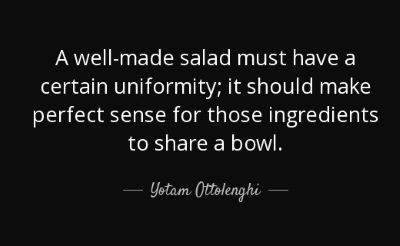
One man's trash is another man's treasure, and the by-product from one food can be perfect for making another. There is nothing like a good old recipe. If it has lasted, then it is good. I can't stand recipes that don't have background. Like parents, cooks shouldn't have favorites, but some recipes inevitably shine more than others. My maternal grandmother made fantastic ox tongue with velvety roasted potatoes. She cooked sweet red cabbage and lovely cauliflower with butter and breadcrumbs. If I am honest, my food is actually quite far removed from both the food of my mother and my father.
The kitchen is tough. It's one of the last bastions in civilized culture that sets out to crush the spirit. Even in the busiest kitchen, there's always a point at the end of the day when you go home. The range of ingredients available to home cooks has expanded dramatically. Almost every culture has its own variation on chicken soup, and rightly so - it's one of the most gratifying dishes on the face of the Earth. People are incorporating herbs and spices like lemongrass, smoked Mexican chili, sumac, and za'atar mix. Celery leaves are an underused ingredient, most likely because supermarkets sell mostly leafless stalks. Brussels sprouts are really quite versatile. Most of my recipes start life in the domestic kitchen, and even those that start out in the restaurant kitchen have to go through the domestic kitchen. I have a terrible tendency to lick my fingers when I cook. So much so that I got a telling off from my pastry teacher years ago, who said it would hinder my prospects.
Too many books are full of recipes that aren't doable at home. They are purely aspirational. They are quite frightening, even for me. If the first bite is with the eye and the second with the nose, some people will never take that third, actual bite if the food in question smells too fishy, fermented or cheesy. Raw fish suppers admittedly require a little planning, not least in the acquisition of the main ingredient. Eating ready-made meals is about being very passive, and actively cooking is something that nothing compares to. The way to entice people into cooking is to cook delicious things. If you can't taste an ingredient, you have to ask yourself why it is there.
Food can bring people together in a way nothing else could. The combination of olive oil, garlic and lemon juice lifts the spirits in winter. Herbs deserve to be used much more liberally. I like to add something unusual to a dish. Agave nectar is a good substitute for refined sugars. It has a relatively low glycemic index, which means it doesn't cause quick rises in blood sugar levels. It also has a nice, mild flavor. I enjoy meat, but I can do without it. I do support people eating more vegetables. It's a good thing to do. Vegetarians in general don't like me. There used to be a time - it isn't so much the case now - that vegetarianism was some kind of religion, and either you belong, or you don't belong. You can be vegetarian and eat fish. It's your choice, just say: 'I am what I am.' There are no hardcore divisions anymore. Conflict is very much a state of mind. If you're not in that state of mind, it doesn't bother you.
WELLNESS WEDNESDAY

The Weird Side Effect of Sleeping 6 Hours (or Less) a Night
Emily CappielloEmily Cappiello
Medically reviewed by Catherine Uram, MD
The Healthy @Reader's Digest: Healthy Living with Expert-Backed Insight
Six hours never feels like enough sleep. Turns out, it’s not.
There’s plenty of research out there underscoring how crucial sleep is for maintaining your weight, focus, stamina, healing powers, and general health. Now there’s another reason to get your beauty sleep: Six hours or less of slumber a night can leave you dehydrated. In a study from Penn State, published in the journal Sleep in 2019, researchers analyzed sleeping habits and urine samples in more than 20,000 adults in the United States and China. They found that people who slept six hours on average were up to 59 percent more likely to be dehydrated than adults who slept eight hours on a regular basis at night. This suggests that feeling awful after a poor night of sleep may also be attributed to this resulting dehydration, not just to a lack of sleep.
The study noticed that vasopressin, a hormone that regulates the body’s hydration status, is released toward the end of a sleep cycle. “Vasopressin is released both more quickly and later on in the sleep cycle,” said lead author Asher Rosinger, PhD, assistant professor of biobehavioral health and anthropology at Penn State, in a press release. “So if you’re waking up earlier, you might miss that window in which more of the hormone is released, causing a disruption in the body’s hydration.” Michelle Drerup, PsyD, Director of Behavioral Sleep Medicine at Cleveland Clinic, who is not associated with this study, says that these findings are in line with other research on hormones and sleep. “Our hormones have a circadian rhythm as well,” she explains. “We think of the sleep/wake cycle as being a circadian rhythm, but our temperature varies on a circadian pattern and our hormone levels, including our appetite hormones, are on a circadian pattern as well, so this finding about vasopressin makes sense.”
To combat this problem, getting more sleep is obviously a good idea. Furthermore, Rosinger says, drinking water throughout the day is important—and it’s even more critical the morning after a poor night of sleep. “If you are only getting six hours of sleep a night, it can affect your hydration status,” he explains. “This study suggests that if you’re not getting enough sleep and you feel bad or tired the next day, drink extra water.” And it’s not only important to keep yourself sufficiently hydrated to feel better. In a review of numerous studies on dehydration published in the Annals of Nutrition & Metabolism, researchers found that dehydration has a consistent, worsening effect on mood and that it can also impact cognitive performance, particularly in children and the elderly. In the long term, if you’re experiencing dehydration on a regular basis, it can lead to kidney stones or urinary tract infections.
This is for information purpose only and should not be considered as a substitute for medical expertise. These are opinions from an external panel of individual doctors, and not to be considered as opinion of Microsoft. Please seek professional help regarding any health conditions or concerns.
|



.jpg)
.jpg)
.jpg)
.jpg)



.jpg)
.jpg)
.jpg)

(11).jpg)

.jpg)
.jpg)

 January has two flowers, the carnation and snowdrop. The carnation is a bright spot in an otherwise dreary time of year. The delicate, white snowdrop—one of the first buds to poke its petals through the ground in the spring—seems like an apt pick for January.
.jpg)
.jpg)

.jpg)

%20527485900(2).jpg)

.jpg)
.jpg)
.jpg)


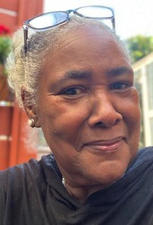
 posted. January Warriors, this piece was so spot on. I am taking her name off the message and replacing it with mine. Estella, I hope you don't mind. I want to put you back in the spotlight where you have always been and belong. I want to say two of my favorite people, my wife Faye, and You were born in January and that peice decribes you both to the fullest. I want to say Happy Belated Birthday to you and to stay in good grace with my loving, sweet, understanding wife ( that last statement was to get me out of trouble because I put you in this message)
  . And to say Happy Early Birthday (1/29) to the love of my life Mrs. Faye.





.jpg)
.jpg)
.jpg)



.jpg)




.jpg)

.jpg)




.jpg)


.jpg)
.jpg)



.jpg)