|
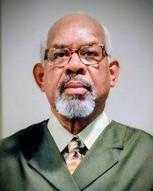
Kenneth Davis
 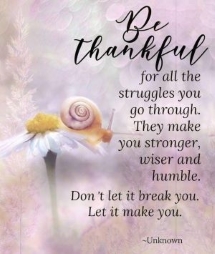
T H O U G H T F O R C O N S I D E R A T I O N
TODAYS WORDS - TRIUMPH
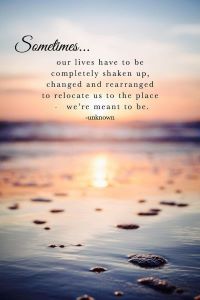
Your life is a sacred journey. It is about change, growth, discovery, movement, transformation, continuously expanding your vision of what is possible, stretching your soul, learning to see clearly and deeply, listening to your intuition, taking courageous challenges at every step along the way. You are on the path... exactly where you are meant to be right now... And from here, you can only go forward, shaping your life story into a magnificent tale of triumph, of healing, of courage, of beauty, of wisdom, of power, of dignity, and of love.
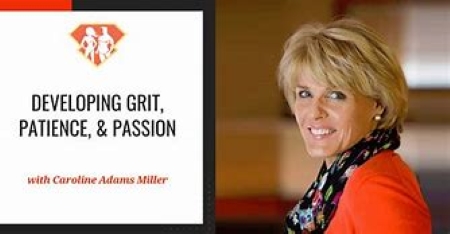
Caroline Adams Miller (born September 15, 1961) is an American executive coach and motivational speaker. Miller first started to diet when she was eight years old, developing an eating disorder while in 9th grade. For the next eight years, she suffered from bulimia. None of her family, including her husband, was aware of her eating disorder. In February 1984, she decided it was time to seek help and began to attend Overeaters Anonymous, eventually overcoming her disorder.
WELLNESS WEDNESDAY
.jpg)
What Is Chronic Pain Syndrome?
Medically Reviewed by Sabrina Felson, MD
Written by Stephanie Watson
Pain is your body's normal reaction to an injury or illness, a warning that something is wrong. When your body heals, you usually stop hurting. But for many people, pain continues long after its cause is gone. When it lasts for 3 to 6 months or more, it's called chronic pain. When you hurt day after day, it can take a toll on your emotional and physical health.
About 25% of people with chronic pain will go on to have a condition called chronic pain syndrome (CPS). That's when people have symptoms beyond pain alone, like depression and anxiety, which interfere with their daily lives. CPS can be hard to treat, but it's not impossible. A mix of treatments like counseling, physical therapy, and relaxation techniques can help relieve your pain and the other symptoms that come with it.
What Causes Chronic Pain Syndrome?
Doctors don't know exactly what causes CPS. It often starts with an injury or painful condition such as:
⦁ Arthritis and other joint problems
⦁ Back pain
⦁ Headaches
⦁ Muscle strains and sprains
⦁ Repetitive stress injuries, when the same movement over and over puts strain on a body part
Fibromyalgia, a condition that causes muscle pain throughout the body.
⦁ Nerve damage
⦁ Lyme disease
⦁ Broken bones
⦁ Cancer
⦁ Acid reflux or ulcers
⦁ Inflammatory bowel disease (IBD)
⦁ Irritable bowel syndrome (IBS)
⦁ Endometriosis, when tissue in the uterus grows outside of it
⦁ Surgery
The roots of CPS are both physical and mental. Some experts think that people with the condition have a problem with the system of nerves and glands that the body uses to handle stress. That makes them feel pain differently. Other experts say CPS is a learned response. When you're in pain, you may start to repeat certain bad behaviors even after the pain is gone or has lessened. CPS can affect people of all ages and both sexes, but it's most common in women. People with major depression and other mental health conditions are more likely to get CPS.
Symptoms
CPS affects your physical health, your emotions, and even your social life over time. The pain can lead to other symptoms, such as:
⦁ Anxiety
⦁ Depression
⦁ Poor sleep
⦁ Feeling very tired or wiped out
⦁ Irritability
⦁ Guilt
⦁ Loss of interest in sex
⦁ Drug or alcohol abuse
⦁ Marriage or family problems
⦁ Job loss
⦁ Suicidal thoughts
Some people with CPS need to take more and more medicine to manage their pain, which can make them dependent on these drugs.
Treatments
To treat your pain, you can visit:
⦁ Your primary care doctor
⦁ A specialist for the medical condition that's causing your pain -- for example, a rheumatologist to treat arthritis
⦁ A pain clinic or center
Your doctor will tailor your therapy to the source of your pain. You might get one or more of these treatments:
⦁ Physical therapy, including heat or cold on the part that hurts, massage, stretching exercises, and transcutaneous electrical nerve stimulation (TENS)
⦁ Occupational therapy
⦁ Counseling, one-on-one or group therapy
⦁ Braces
⦁ Relaxation techniques such as deep breathing or meditation
⦁ Biofeedback
⦁ Spinal cord stimulation
⦁ Nerve blocks
⦁ Pain medicines such as NSAIDs, antidepressants, anti-seizure drugs, and muscle relaxants
⦁ Surgery to treat the condition that caused the pain
This is for information purpose only, and should not be considered as a substitute for medical expertise. These are opinions from an external panel of individual doctors. Please seek professional help regarding any health conditions or concerns.
|




.jpg)




.jpg)









.jpg)
.jpg)
.JPG)
.jpg)



.jpg)
.jpg)








.jpg)


.jpg)



.jpg)
.jpg)



.jpg)
.jpg)

.jpg)







.jpg)
.jpg)



%20CASSETTE%201(3).jpg)
.jpg)
.jpg)
.jpg)
.jpg)
.jpg)
.jpg)
.jpg)
.jpg)


.jpg)
.jpg)
.jpg)


.jpg)
